
Sizzle Up Your Menu: Why Restaurants Are Turning to Tallow
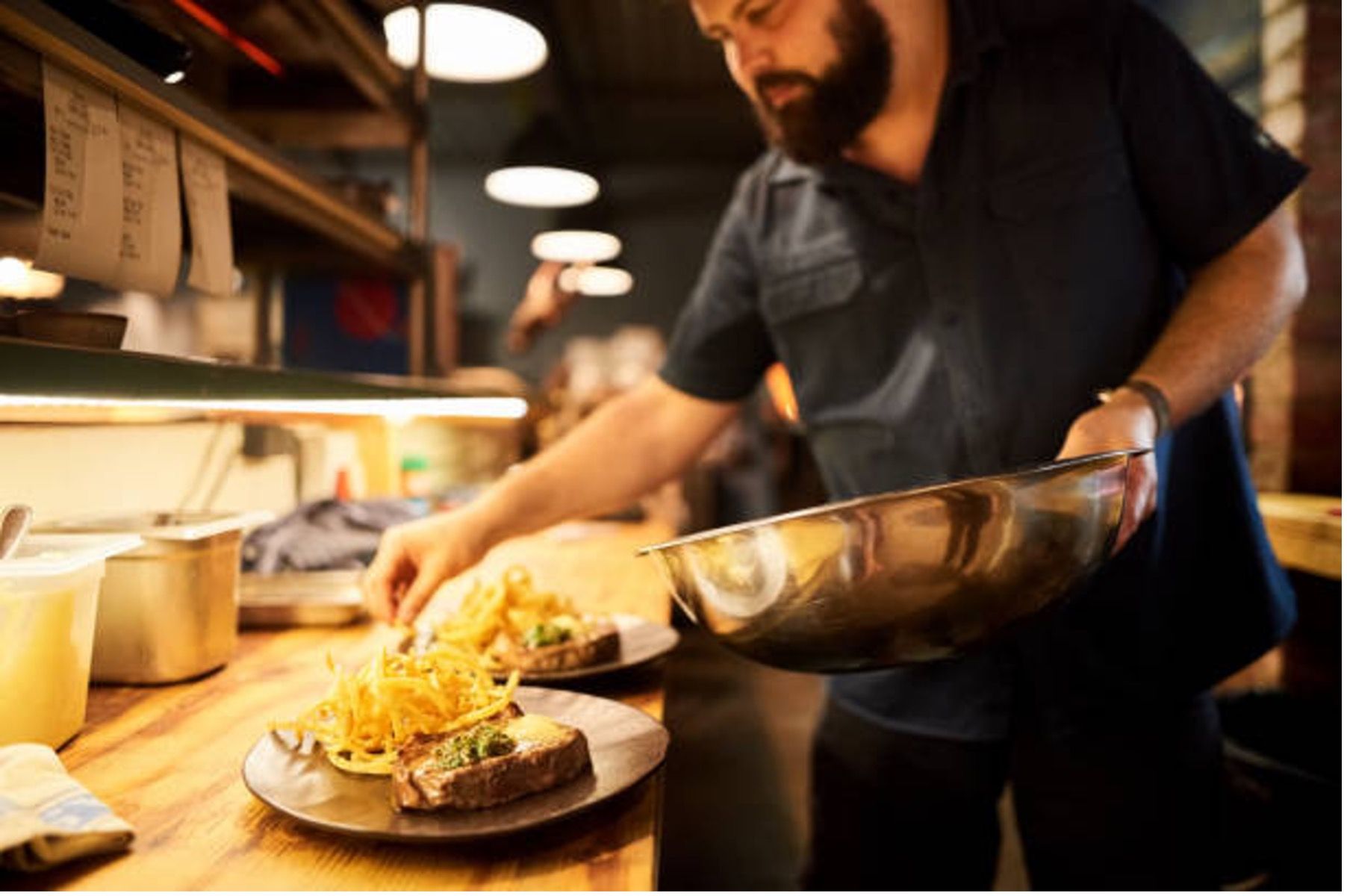
Across the country, restaurants are rediscovering Beef Tallow—and putting it back at the heart of their kitchens. Once a staple, Tallow fell out of favor in the 20th century as vegetable oils took over. Now, with chefs and diners alike craving better flavor and cleaner labels, Tallow is sizzling its way back onto menus.
This culinary comeback is driven by chefs seeking authentic taste, high performance, and a story diners can savor. According to Coast Packing Company’s 2025 white paper, Back to Flavor, Back to Tallow, the resurgence is rooted in science, sustainability, and above all, flavor. From crispy fries, onion rings, and fried chicken to perfectly flaky pie crusts, restaurants are finding that Tallow makes a difference diners notice.
Benefits of Beef Tallow
Beef Tallow is a natural fat derived from cattle, and unlike most cooking oils, it is not artificially processed. Tallow is made by heating the fat to separate the protein from the Tallow.
Tallow excels in a professional kitchen. Its high smoke point—up to 450 degrees—means it can fry, baste, roast, and sear, breaking down less than competing fats and oils, delivering that unbeatable crispy texture. Because it lasts longer when used for frying, it saves restaurants money and reduces waste.
Beyond flavor, Tallow offers a nutrient profile hard to ignore: vitamins A, D, E, and K; omega-3 and omega-6 fatty acids; and anti-inflammatory lipids like linoleic and oleic acids. These nutrients support immune function, metabolic health, and cell integrity. Tallow’s healthy fats benefit heart and brain health, and unlike some processed oils, it contains no artificial trans fats, which have been banned since 2018 due to their link to heart disease.
Tallow is also sustainable: it uses parts of the animal that might otherwise go to waste, and the used cooking oil from Tallow is sought after to make renewable fuels and sustainable aviation fuel. Restaurants can highlight this eco-friendly story to appeal to today’s environmentally conscious diners.
Back to Flavor, Back to Tallow
Consumer data from Coast’s 2024 survey shows a clear shift: 20% of Americans have stopped using seed oils. Of those, 13% have intentionally switched to animal fats like Tallow. Diners want clean-label ingredients and bold, nostalgic flavors—restaurants that offer tallow-cooked dishes are meeting this demand.
The market for animal fats like Tallow is growing rapidly, projected to jump from $54 billion in 2023 to $78 billion by 2032.* More restaurants are taking notice, updating their menus to feature Tallow-fried favorites and classic comfort foods.
Some may consider Tallow a passing food fad, but humans have cooked with it for over 5,000 years. From ancient Mesopotamia to medieval Britain, Tallow helped people prepare meals and survive harsh winters.
Today’s restaurant chefs are rediscovering what their ancestors knew: Tallow delivers unmatched flavor, reliable performance, and a compelling story. For establishments looking to sizzle up their menus and stand out, Tallow is back—and here to stay.
*Source: IMARC Group, Edible Animal Fat Market Overview, 2023
***
Curious about converting to beef tallow? Access educational resources and expert advice to support your transition. Visit our hub to rediscover the rich flavor, quality, and tradition of beef tallow—nature’s original cooking fat.
TALLOW EDUCATION HUBSave with Beef Tallow! Use our calculator to see how Beef Tallow compares to seed oils–and what the savings could look like for your operation.
BEEF TALLOW SAVINGS CALCULATOR