
Looking Back and Looking Ahead, Coast Packing Co. Applauds Continued Popularity of Animal Fats as Top Culinary Trend
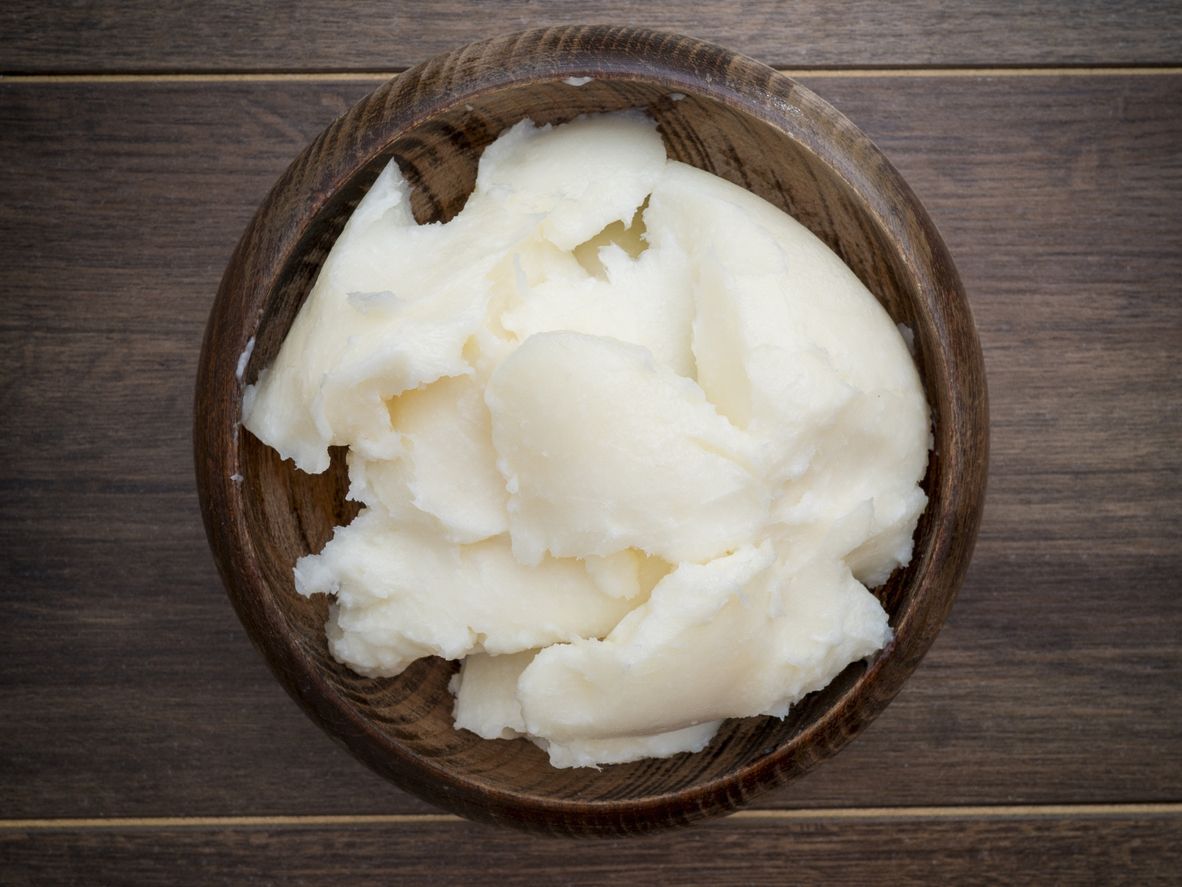
Fat is still back.
It’s that time of year, when foodies reflect and prognosticators look ahead – and Coast Packing Company, the West’s largest supplier of animal fat shortenings, says that in 2019, it expects the heritage cooking fats pork lard and beef tallow to accelerate their comeback in both restaurants and home kitchens.
As Good Morning America’s Carla Hall and Food Network’s Molly Yehpredicted at “The Next Big Bite” event held in New York last October, “[in the coming year], lard and cooking with real fat will get new respect.” Echoing that shout-out, the Sterling-Rice Group’s 6th annual Culinary Trends Report placed “flavorful fat” among the Top 10 culinary trends for 2019, finding a home on menus, expanding onto grocery shelves, and attracting consumer interest.
What Whole Foods has dubbed “Phat Fats” — keto, paleo, grain-free and even “pegan” (paleo + vegan) diets – reflects a change in consumers’ mindsets about fat. As reported in Forbes, the Amazon-owned chain predicts that higher-protein and lower-carb diets will expand to new categories in the store, concluding, “fat will be back in a big way.”
“Consumers increasingly get it – they understand that animal fats are a net positive for health and well being,” said Coast CEO Eric R. Gustafson. “Diners and home cooks clearly value authenticity and want food that is packed with flavor, and made with integrity and respect for culinary traditions. That’s why the natural makeup of both lard and tallow matter so much. These products are best when minimally processed, which is consistent with the entire direction of food and cooking right now.”
To quote Emily Hirsch, MS, RD, in Foods Trends for 2019: Fat is Back: “[It’s a] good thing that fat is back folks, and how we’ve missed you!” Hirsch continues:It was in the 1970s when researchers began to link saturated fat intake with heart disease… What we didn’t realize at the time was that the fat in these products was being replaced by more sugar, salt, and other unhealthy fillers. Often times, these fat-free products had the same number of calories as their full-fat counterparts and were loaded with manufactured ingredients that were not exactly healthy. What ended up happening is that while we reduced our total fat intake as a population, we increased our consumption of refined carbohydrates and added sugars. We also decreased our consumption of healthy fats…
Gone are the days of SnackWells cookies as we move towards a fat friendlier culture. With fresh new research under our belts, we can now offer a paradigm shift in our perception of fat and kiss the low fat craze goodbye. A number of studies have shown that there is no benefit in following a low-fat diet, as it doesn’t aid in weight loss or lead to less disease. In actuality, dietary fat is an essential part of a healthy diet, can help with weight loss, and may reduce the risk of certain diseases.
So while you can go ahead and ditch your parachute pants and scrunchies, don’t ditch dietary fat! Fat is back, and unlike the questionable fashion trends of the ‘80s and ‘90s, is hopefully here for the long haul. Putting an exclamation point on this now-2019 trend is the fourth annual Coast Packing Company/Ipsos Animal Fats Study, released in November. Recognizing that all fats are not created equal or play an identical role in a balanced diet, respondents offered these observations:“Fat is a necessary part of a diet.” “Animal fats are better for you than synthetic fat.” And, “Humans evolved to eat animal fats.”